How to get a free smartphone from carriers using Lifeline
If you want to understand how to get a free smartphone through Lifeline, the most important thing is starting with the right expectation.
Anúncios
Lifeline is a real federal benefit in the United States.
Anúncios
Its main purpose is to make phone or internet service more affordable for eligible low-income households.
That means the core benefit is a monthly service discount.
Anúncios
The free smartphone offer, when it exists, usually comes from a participating provider as part of its enrollment promotion.
In other words, the program can open the door, but the phone itself depends on the company, your location, and current availability.
That is exactly why the smartest strategy is to qualify first, compare carriers second, and only then complete your enrollment.
When you follow that order, the process feels lighter, safer, and much more realistic.
Important: This content is independent, informational, and has no affiliation with or control over Lifeline, USAC, the FCC, or any provider mentioned in this article.
How to get a free smartphone through Lifeline the right way

If you want the clearest answer, here it is.
Lifeline is primarily a discount program, not a guaranteed free-phone program.
The standard Lifeline benefit is typically up to US$ 9.25 per month for internet or bundled service, or up to US$ 5.25 per month for qualifying phone-only service.
If you live on qualifying Tribal lands, the enhanced benefit can be up to US$ 34.25 per month. :contentReference[oaicite:0]{index=0}
That benefit is applied through the provider you choose.
It is not sent to you as cash.
Because of that, many providers advertise “free service” when their plan pricing allows the Lifeline discount to cover most or all of the monthly cost.
A free smartphone can be included too, but that is usually a provider-level offer layered on top of the service discount, and availability can change by state and inventory. :contentReference[oaicite:1]{index=1}
Lifeline vs ACP: why the old comparison still confuses people
Many people still remember the Affordable Connectivity Program, also called ACP.
That creates confusion because ACP and Lifeline are not the same thing.
The ACP ended effective June 1, 2024 after running out of additional funding from Congress, so it should not be treated as an active source of device discounts today. :contentReference[oaicite:2]{index=2}
Lifeline is still active, but it usually provides a smaller monthly discount than ACP did.
That is why older articles and videos can set unrealistic expectations if they mix the two programs together. :contentReference[oaicite:3]{index=3}
The free smartphone reality check
If you are hoping for a brand-new premium device, it helps to pause and look at the situation honestly.
Lifeline approval does not guarantee that every person receives a new high-end smartphone.
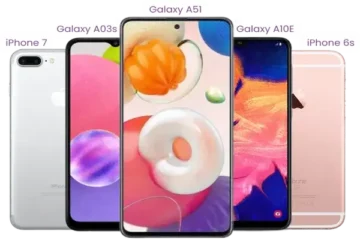
Some providers offer a free basic smartphone.
Some offer only a SIM card and service.
Others may allow you to bring your own phone or choose a paid upgrade instead.
Even when a phone is called free, there can still be shipping charges, optional upgrade fees, or limited device models depending on where you live and what the provider currently has available.
That is why approval should always come first, and comparison second.
Who qualifies for Lifeline
You can qualify for Lifeline based on either household income or participation in certain government assistance programs.
One common path is having a household income at or below 135% of the Federal Poverty Guidelines.
Another common path is participating in programs such as Medicaid, SNAP, SSI, Federal Public Housing Assistance, or Veterans Pension and Survivors Benefit. :contentReference[oaicite:4]{index=4}
Your eligibility is generally reviewed through the National Verifier, which is the centralized Lifeline eligibility system used to confirm whether you qualify. :contentReference[oaicite:5]{index=5}
One Lifeline benefit per household
This is one of the most important rules in the entire program.
Lifeline is limited to one discount per household, not one discount per person. :contentReference[oaicite:6]{index=6}
That means families living at the same address often need to be careful before applying.
If multiple adults live together but are separate economic households, there may be an additional household worksheet process depending on the situation.
If more than one benefit is claimed for the same household improperly, the benefit can be lost.
So before you apply, make sure your household situation is clear and consistent with the official rules.
Documents to gather before you apply
Many applications move quickly, but some require manual review.
If automated checks cannot confirm your identity, eligibility, or address, you may be asked to upload or mail proof documents.
That can include proof of income, proof of participation in a qualifying program, proof of identity, or proof of address.
Preparing those files in advance can make the process much smoother.
Clear photos or scans, full page visibility, and readable text can reduce delays and extra requests.
How to get a free smartphone with Lifeline in 2026
The fastest path is usually simple.
Step one is getting approved.
Step two is enrolling with a participating company.
This order matters because Lifeline support guidance explains that after you qualify, you choose a phone or internet company near you and sign up for service with them. :contentReference[oaicite:7]{index=7}
Tutorial 1: Apply online using the official Lifeline path
- Start your application through the official Lifeline consumer path. The official support tools provide online application instructions and access to the application process. :contentReference[oaicite:8]{index=8}
- Enter your legal name exactly as it appears on your documents. This helps prevent identity mismatches.
- Provide your date of birth, home address, and requested identification details carefully.
- Select how you qualify. Choose the income route or the qualifying-program route that matches your situation. :contentReference[oaicite:9]{index=9}
- Upload any requested documents. If the system asks for proof, send clear and complete files.
- Save your confirmation information. Your application details can matter later when you enroll with a carrier.
- After approval, move to the provider selection step. This is when the free-smartphone or BYOP choice becomes real.
Tutorial 2: What to do if the system asks for proof
- Read the request carefully. The system may be asking for identity proof, address proof, eligibility proof, or more than one category.
- Match the request to the correct type of document. The official Lifeline tools page includes application instructions in multiple languages to guide the process. :contentReference[oaicite:10]{index=10}
- Use bright lighting and clear images. Avoid blur, glare, and cropped edges.
- Upload online when possible. That is often easier than mailing paperwork.
- Check your status regularly. A quick response to follow-up requests can shorten delays.
Get a free smartphone after approval: how to compare carriers
Once you are approved, the next step is choosing a provider.
This is where many people rush.
It is also where smart comparison saves the most frustration.
Step 1: Find real Lifeline providers in your area
The official Companies Near Me tool lets you search by ZIP code or by city and state to find providers offering Lifeline where you live. :contentReference[oaicite:11]{index=11}
This is the safest way to confirm that a company is actually participating in your area right now.
If a company cannot be found through the official search, do not treat it as confirmed.
Step 2: Compare offers like a careful shopper
- Check whether the monthly plan is really US$ 0 in your state after the Lifeline discount.
- Check whether a free smartphone is included or whether the provider expects you to bring your own device.
- Check local coverage where you actually spend time.
- Check what happens after you use your high-speed data amount.
- Check customer support options before anything goes wrong.
This comparison is what keeps you from choosing a flashy headline that does not fit your daily life.
Step 3: Place your order for a phone or SIM
After choosing a company, enroll only through the provider’s official path.
Use the same legal identity details you used in your Lifeline application.
If the company offers a free smartphone, confirm what model or device category is included before you submit.
If you already own a working phone, a bring-your-own-device option may be the faster and more flexible path.
Before finalizing anything, review shipping charges, optional accessories, and any upgrade costs carefully.
Can you apply with help from a phone company
Yes.
Official Lifeline guidance states that after you qualify, you can choose a phone or internet company near you and sign up, and you can also ask your current company to apply the Lifeline benefit to a service you already receive if it offers Lifeline. :contentReference[oaicite:12]{index=12}
This can be helpful if you want assistance with the process or if you prefer support from a provider during enrollment.
Even so, you should still begin with verified companies only and keep screenshots or emails showing what you selected.
How to apply by mail if online is not working
If online enrollment is difficult, Lifeline also supports paper application instructions.
The official tools page includes paper application guidance alongside online instructions. :contentReference[oaicite:13]{index=13}
Mail can take longer, but it remains a valid option.
If you apply by mail, complete each section carefully, send copies rather than original IDs, and keep a copy of everything for your own records.
Special note for California, Oregon, and Texas
If you live in California, Oregon, or Texas, you may be directed to follow a state-specific process or state-linked workflow rather than the standard path alone.
That is why it is important to follow the official instructions shown to you during the application process rather than relying on general advice from random websites. :contentReference[oaicite:14]{index=14}
How to activate your Lifeline smartphone
Activation steps vary by provider, but the general process is usually similar.
- Charge the phone fully before starting.
- Insert the SIM card if the provider instructs you to do so.
- Connect to Wi-Fi for updates and setup.
- Follow the provider’s activation instructions using your order details.
- Restart the phone after setup.
- Test calling, texting, and web access.
If anything fails, use the provider’s official support channel and ask them to confirm activation and provisioning.
Can you keep your current number
Many providers allow number transfers, but this depends on the provider’s process and the accuracy of the details you submit.
The safest approach is to request the transfer during sign-up and avoid canceling your old service before the port completes.
That helps protect your number from being lost during the move.
How to keep your Lifeline benefit active
Approval is not the finish line.
You also need to maintain the benefit correctly.
Official Lifeline support explains that you must recertify every year to confirm continued eligibility, and you may also transfer your Lifeline benefit to a new company at any time if needed. :contentReference[oaicite:15]{index=15}
You should also keep your information current if your household changes, your address changes, or you no longer qualify.
Staying organized makes it much easier to avoid service interruption.
How to avoid scams and common mistakes
Lifeline is a real federal benefit, which means misleading ads often try to imitate it.
The safest approach is to verify first and enroll second.
- Be cautious if a site promises a premium phone with no conditions or no state limits.
- Be cautious if someone demands a fee to USAC or the FCC for approval.
- Be cautious if a company cannot be verified through the official provider search tool.
- Use your legal name, correct address, and readable documents to avoid delays.
Most application problems come from mismatched names, missing apartment numbers, poor document photos, or duplicate-household issues.
A careful application is usually much faster than a rushed one.
Final answer: the easiest way to get a free smartphone through Lifeline
If your goal is to get a free smartphone through Lifeline, the most realistic path is also the safest one.
First, confirm that you qualify.
Next, apply through the official Lifeline process.
Then, use the official provider search tool to compare carriers in your area.
Finally, choose the offer that fits your real needs, whether that means a free smartphone or using your current phone with discounted service.
When you follow that order, the process stops feeling like an internet maze.
It becomes a practical step toward affordable service and a device option that truly works for your life.