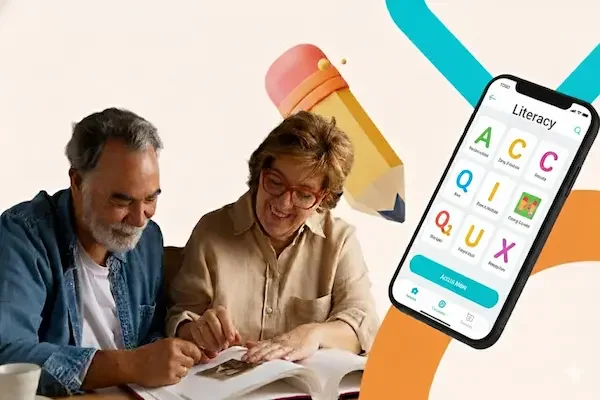
A free adult literacy app allows you to study at times that fit your daily routine, whether in the morning, during breaks, or at night.
You can choose your learning pace and repeat lessons as many times as needed without feeling rushed or compared to other learners.
Short activities make it easier to learn in small steps, which is helpful for people who balance work, family, and other responsibilities.
Because everything is on your device, you do not need to travel to a physical classroom or follow fixed schedules.
You can pause and resume lessons whenever something urgent appears, which reduces pressure to keep up with a group.
The app guides you from simple tasks to more complex reading and writing challenges, helping you build skills gradually.
Over time, this flexibility can make it more realistic to continue learning and turn it into a regular part of your life.
Key features to look for in a free adult literacy app
When choosing a free adult literacy app, it is helpful to look for clear instructions written in simple language with audio support.
Interactive exercises such as matching, dragging, and answering short questions can make learning more engaging and practical.
Examples based on everyday situations, like reading a receipt, a sign, or a text message, show how reading skills are used in real life.
Progress tracking tools, such as levels, badges, or completion bars, can show how far you have come and what you have already learned.
Accessibility features like large fonts, contrast options, and read-aloud tools can support adults with visual or reading difficulties.
Offline modes are useful if your internet connection is limited or unstable, allowing you to keep learning even without constant access.
A clean and simple layout with visible buttons and easy navigation can make the app more comfortable to use, especially for beginners.
Setting realistic goals when using a literacy app
Before you start, it can help to set small, realistic goals such as “study for 10 minutes a day” or “finish two lessons each week.”
Small goals are easier to keep and can reduce frustration when your schedule changes or unexpected events occur.
You might focus on one area at a time, such as recognizing letters, understanding sounds, or reading short words.
Writing your goals in a notebook or notes app can remind you why you are learning and what you hope to achieve.
As you reach each goal, you can adjust your plan, slowly increasing your study time or trying more complex activities.
It is normal for progress to change from week to week, and the app can still support you even during slower periods.
Treating each completed lesson as a real achievement helps you stay motivated and notice your improvement over time.
Creating a comfortable study routine at home
A free adult literacy app works best when you connect it to a simple, regular routine in your daily life.
You might choose a quiet place at home, such as a specific chair or corner, so your mind links that space with learning.
Keeping your device charged and, if needed, headphones nearby makes it easier to start lessons without extra effort.
You can test different times of day to find when you feel most awake and focused, whether early morning or late evening.
Letting family members know about your study times may help them support you by limiting interruptions when possible.
Short breaks during longer sessions can prevent tiredness and make it easier to remember what you learned.
Over time, these simple habits can turn your home into a more supportive and predictable environment for learning.
Combining apps with other learning resources
A free adult literacy app is a strong tool, but many learners benefit from combining it with other methods.
You might use simple printed materials such as easy books, labels, or handwritten notes around the house to practice reading.
Watching educational videos or listening to audio stories for adults can reinforce vocabulary and understanding.
If possible, joining community programs, libraries, or adult education centers can give you extra guidance and feedback.
Talking about new words with friends, family, or colleagues helps you practice using reading skills in everyday conversations.
You can also keep a small notebook where you write new words or phrases you see in the app or in daily life.
This mix of digital and offline practice can help your new skills become more stable and useful in real situations.
Using an app with family, tutors, or support groups
A free adult literacy app can be used alone, but you do not have to learn completely by yourself.
Family members can support you by encouraging regular study time, helping with device settings, or practicing words with you.
Some people choose to learn with a partner or small group, using the app together and then discussing the lessons.
If you work with a tutor or educator, you can show them the app so they understand which activities you are doing.
They may recommend specific units or exercises that fit your current level and goals.
Support groups, either in person or online, can be a place to share challenges, tips, and successes with others on a similar journey.
These forms of support can make learning feel less lonely and easier to maintain over the long term.
Accessibility features for adult learners
Many free adult literacy apps include features that support different needs and abilities.
Adjustable font sizes help people who find small text hard to read or who have reduced vision.
Audio instructions and read-aloud options can assist learners who benefit from hearing words while seeing them on the screen.
Some apps offer color contrast settings or dark mode to reduce eye strain during longer learning sessions.
Simple icons and large buttons can make navigation easier for users who are new to digital devices.
For learners who struggle to focus, short lessons and visible progress indicators can break tasks into manageable parts.
By exploring the settings, you can often adjust the look and behavior of the app to match your comfort and needs.
Overcoming common challenges and frustrations
It is normal to face difficulties when learning to read and write as an adult, even if the app is well designed.
You may sometimes feel stuck on a lesson, especially when new letters or sound combinations seem confusing.
In those moments, repeating the activity slowly and using the audio or help tools can lower your stress.
Taking a short break and coming back later can make a task feel easier and more manageable.
Comparing your progress with others can be discouraging, so it helps to focus only on your own steps and improvements.
If a certain topic feels too hard, you can revisit earlier lessons to strengthen your foundation before moving ahead.
Every completed activity, even if it looks simple, is a genuine step toward stronger reading and writing skills.
Measuring progress and staying motivated
Most adult literacy apps display your progress through levels, scores, or completion bars.
Checking these indicators regularly can remind you how much you have already learned, even if you feel slow sometimes.
You can celebrate small wins, such as finishing a unit, reading a full sentence, or understanding a message without help.
Keeping a personal record of these moments in a notebook or diary can support you when motivation is low.
If you notice that you are using the app less often, you can adjust your goals or reduce the length of each session.
Sharing your progress with someone you trust may bring extra encouragement and positive feedback.
Over time, these habits can help you stay connected to your reasons for learning and keep moving forward.
Staying safe online while using literacy apps
When you use a free adult literacy app, it is important to protect your personal information.
Download apps only from official stores and check reviews and ratings before you install them.
Avoid sharing sensitive details such as full address, financial information, or identification numbers unless clearly necessary and safe.
Use strong, unique passwords and avoid saving them on shared or public devices.
If an app requests permissions that do not seem related to learning, you can review or deny those permissions.
You can also ask a trusted person to help you review privacy settings and understand what information is collected.
Being careful with these points allows you to concentrate on learning while maintaining a safer digital environment.
Trust & Transparency
This page was created to provide neutral, educational information about free adult literacy apps for people who want to learn from home.
The content does not promote any specific app, brand, or company and is not written in exchange for payment, sponsorship, or commercial partnership.
All explanations are general and should be understood as informational guidance, not as professional, financial, legal, or medical advice.
Before downloading or using any app, it is advisable to review official documentation, privacy policies, and guidance from recognized institutions in your region.
Whenever possible, you should confirm important details with official sources and local educational services before making decisions.